Smart Watches: Are They Hindering Our Training?
Most of us own some form of smartwatch that we use for tracking our steps, our mileage, our sleep and so much more.
But are these metrics hindering our training more than helping? We’re diving into the pros and cons of smart watches and how to use them effectively…
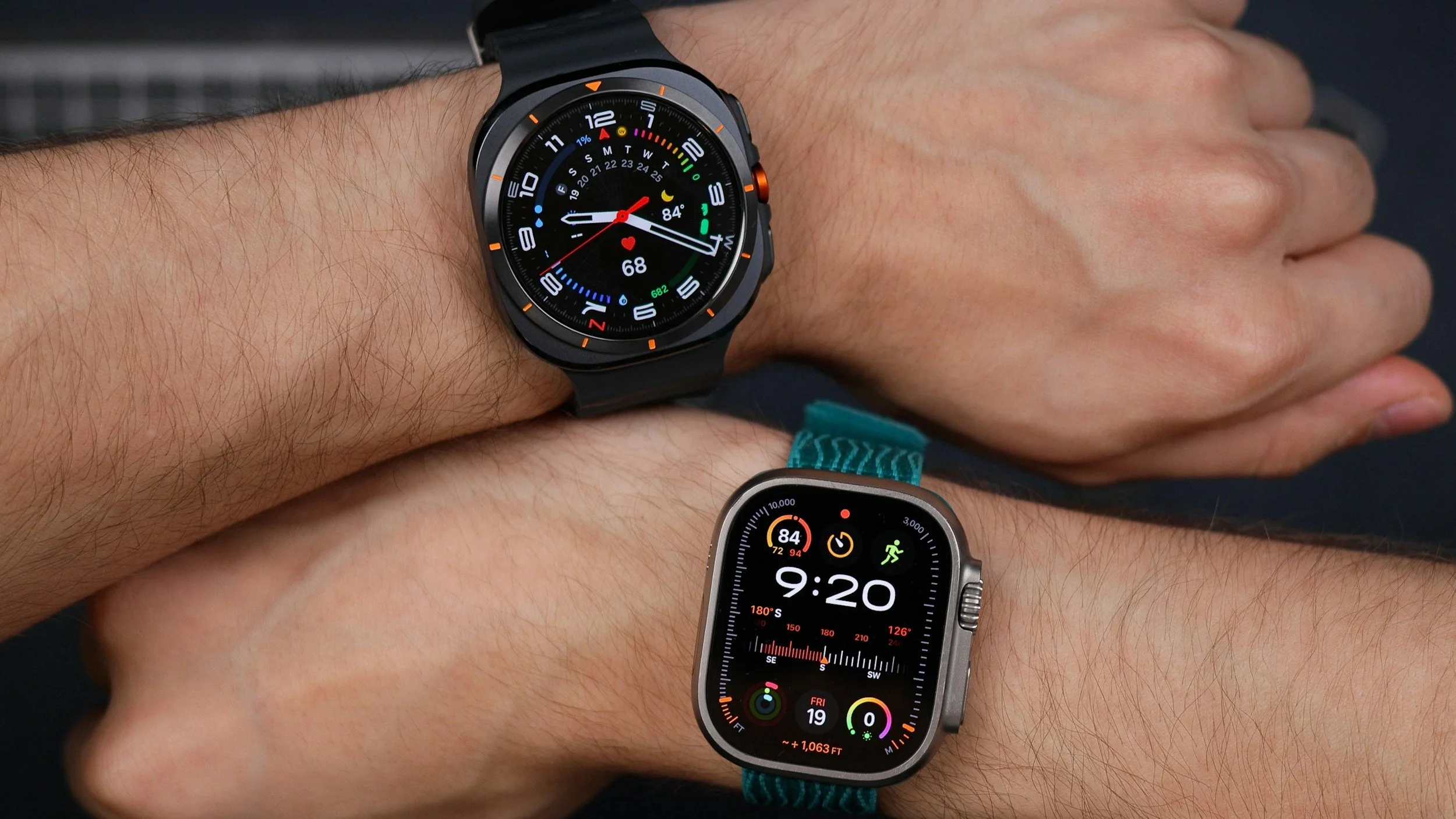
Which metrics should I be tracking?
For the average person on a day to day basis, we recommend tracking the following if you want more of an insight into your health:
step count and exercise (this will give an insight into your daily activity and if you are moving the body enough)
Heart rate (this is useful for overall health and you can monitor how hard your heart is working during exercise)
Active Hours (this doesn’t necessarily mean exercise, this will show on your commute to work, when you’re busy around the house, it’s great to see whether you are spending too much time in a sedentary state)
If you exercise several times a week and you do sports such as running, tennis, cycling etc, it may be useful to use a smartwatch to start tracking things like mileage and pace to help you if you’re trying to hit certain goals.
If you are interested in your recovery times then functions like sleep monitoring can also be very useful.
Can you become obsessive over these stats?
Absolutely! It is very easy to become obsessed with your metrics and start tracking every single thing you do so it’s important to remember than stats are not the be all and end all of exercise.
The features on your smartwatch will help you to monitor your fitness but it’s important that you don’t rely too heavily on them and are able to listen to your body too.
Let’s take sleep as an example:
Tracking your sleep can be a useful way to see if you are recovering each day and are getting the hours needed to refuel the body. However, if you start worrying about your sleep score everyday and panicking about what it will say each morning, you may end up sleeping worse! Health stats are useful to monitor but we shouldn’t become too reliant on them.
How do I find the right balance?
We’re both big fans of smartwatches and use them on a daily basis, so we are by no means saying that you shouldn’t use one.
We recommend starting by monitoring the basics such as heart rate, daily movement and recovery times to get an idea of how your body is functioning each day.
If you find you are constantly checking your watch and worrying about it, take it off for a day and let your brain reset.
If you are worried about what any of the stats are showing, contact a health professional for advice.
To summarise, smart watches are great tools for helping us monitor our daily health and fitness, but it’s important not to start becoming obsessed with the stats, particularly if you are new to exercise - just getting consistent daily movement is the most important thing!
If you found this helpful, you may like to take a look at the following: