Why Posture Makes All The Difference With Exercise
Whether it’s working out in the gym, cycling, running, yoga or just heading for a walk - good posture is one of the key foundations of fitness.
Many people overlook posture and alignment in favour of increased weight or intensity, but ignoring good posture can lead to less effective exercise and even injury.
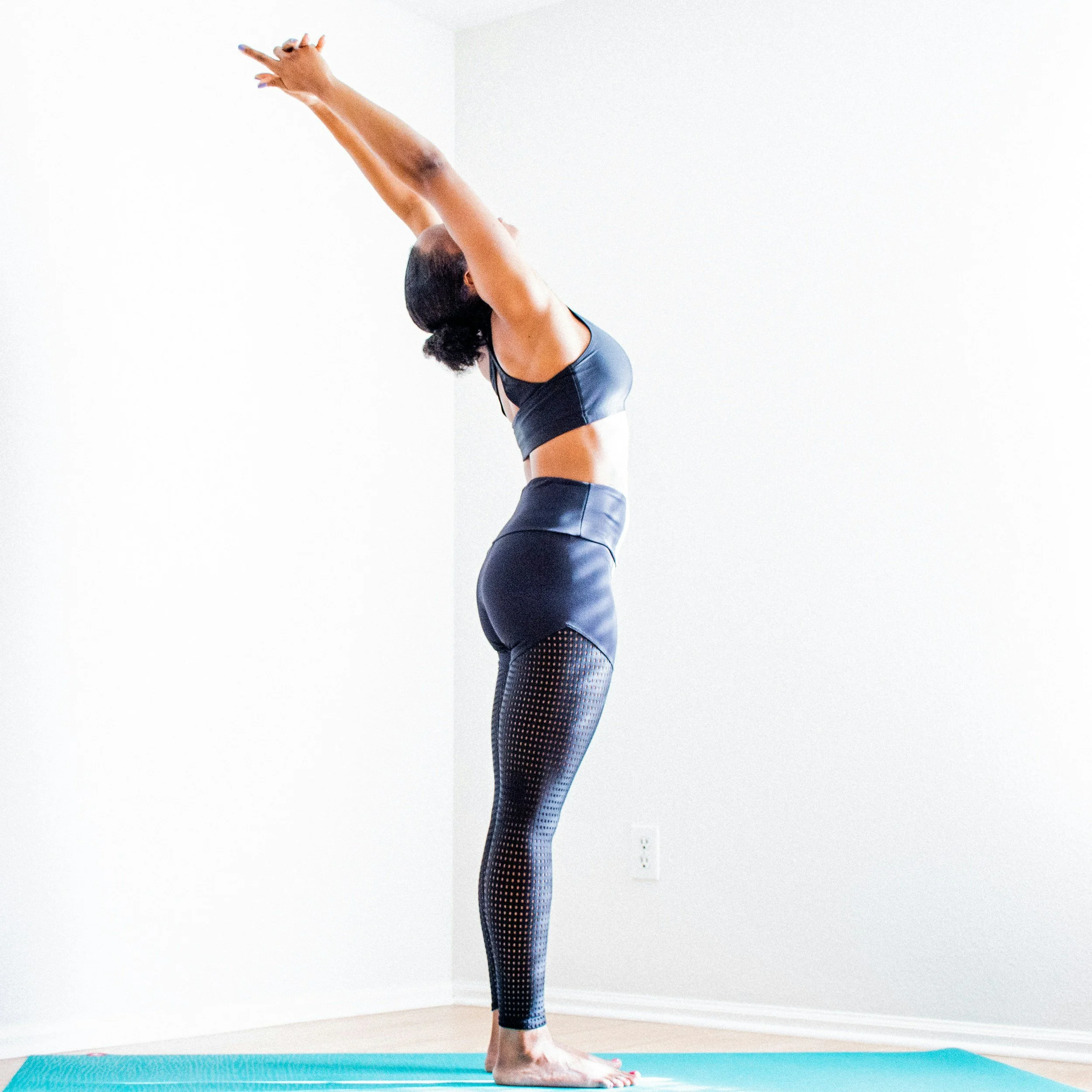
What does it mean to have good posture?
Many people think that having good posture means standing or sitting very straight. Whilst this isn’t untrue, what we really mean when we talk about having good posture is maintaining the correct alignment of the body whislt sitting, stanfing or moving.
When it comes to exercise, this means usually involved the following:
Maintaining a neutral spine
Engaging your core
Ensuring that your joints are moving through the correct range of motions
Why is good posture important?
Bad posture can place excessive strain ont he joints which increases our risk of pain or injury.
A good example of this is when we sit on the sofa, at our desks or at the dinner table - if we don’t sit up straight we can be placing more pressure on our lower backs, leading to tension and discomfort.
During exercise, maintaining the correct alignment of the body means that the intended muscles will be used and will create force more effectively through each movement. Poor posture can cause other muscles to try and compensate, meaning that the body gets fatigued more easily.
What can we do to improve our posture?
At Home:
consider using supports such as cushions behind the back whens sitting to help support the spine
Avoid eating on sofas or on your lap as you are more likely to hunch over
At work, use chairs that provide lumbar support and ensure your computer is at the correct height to avoid neck strain
Take movement breaks every 30-60 mins to help release the body and move the joints
During Exercise:
Take your time with exercises, don’t rush them, ensure you are moving with good posture
Make use of the mirrors - watch how your hips, back and neck move so that you can self correct
Start with lighter weights until your form is consistent
Focus on core engagement to help support the body
If you found this helpful, you may like to take a look at the following: