Intermittent Fasting: Key Things To Know
Over the years, intermittent fasting has become one of the most popular ways to aid weight loss as it involves not eating for certain periods of time to reduce calorie intake.
It’s important to note that fasting is not for everyone, if you are planning to try it there are certain things to know first.
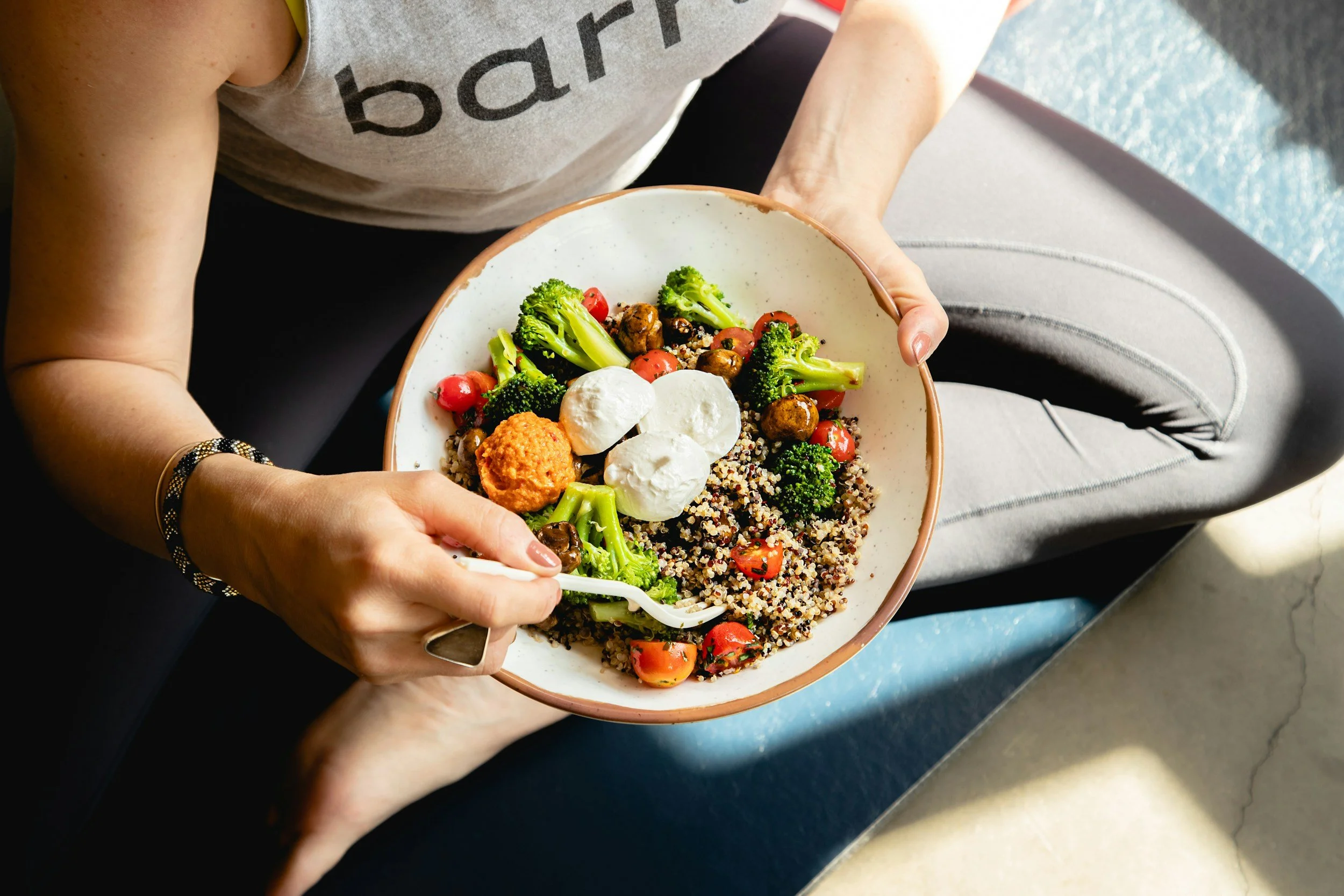
It’s when you eat, not what you eat – don’t be fooled by this!
Yes, intermittent fasting does place more focus on the timing of your meals, but it doesn’t mean that you should stop focusing on the quality of what you eat. Many people make the mistake of thinking that if they aren’t eating for certain period, when they do eat they don’t need to worry, but intermittent fasting won’t work if you are still consuming high fat foods etc.
When you are eating, try to think about getting a good mix of proteins, wholegrain carbohydrates and goof quality fats in your meals. Good sources include:
Fish and Meat
Avocados
Olive oil
Nuts and Seeds
Wholegrains such as rice and pasta
Fresh fruits and vegetables
Timings can be different for everyone
Typically, intermittent fasting is done through a 16:8 approach where you fast for 16 hours and eat during an 8 hour window.
However this may not work for you, don’t be afraid to try a gentler approach such as 12 hours fasting and eating during a 12 hour window. Sometimes you have to start with a smaller progressions until your body has adjusted. Intermittent fasting is a big change for the body so going in too strong straight away could be difficult.
Don’t ignore reactions
The body can react strongly to fasting, especially if you are not used to it. If you feel nay of the following symptoms you might need to think about whether fasting is the right path for you:
Dizziness
Light headedness
Feeling sick or unwell
Alternative options to fasting
If you try fasting and it doesn’t feel right for you, there are other things you can do to aid weight loss.
Smaller portion sizes – simply reducing the size of your meals will reduce calorie intake
Swapping out white carbohydrates for wholegrains – these contain less sugars and so are a better option if looking to lose weight
Increasing protein intake – this will help to build and develop muscle mass alongside your training, the more muscle we build the quicker we burn calories.
If you found this helpful, you may like to take a look at the following: