What is the difference between compound and isolated movements?
You may have head the terms ‘compound movement’ and ‘isolated movement’ in the gym – but what do they actually mean?
We’re going to explain both of these terms and how they relate to your training…
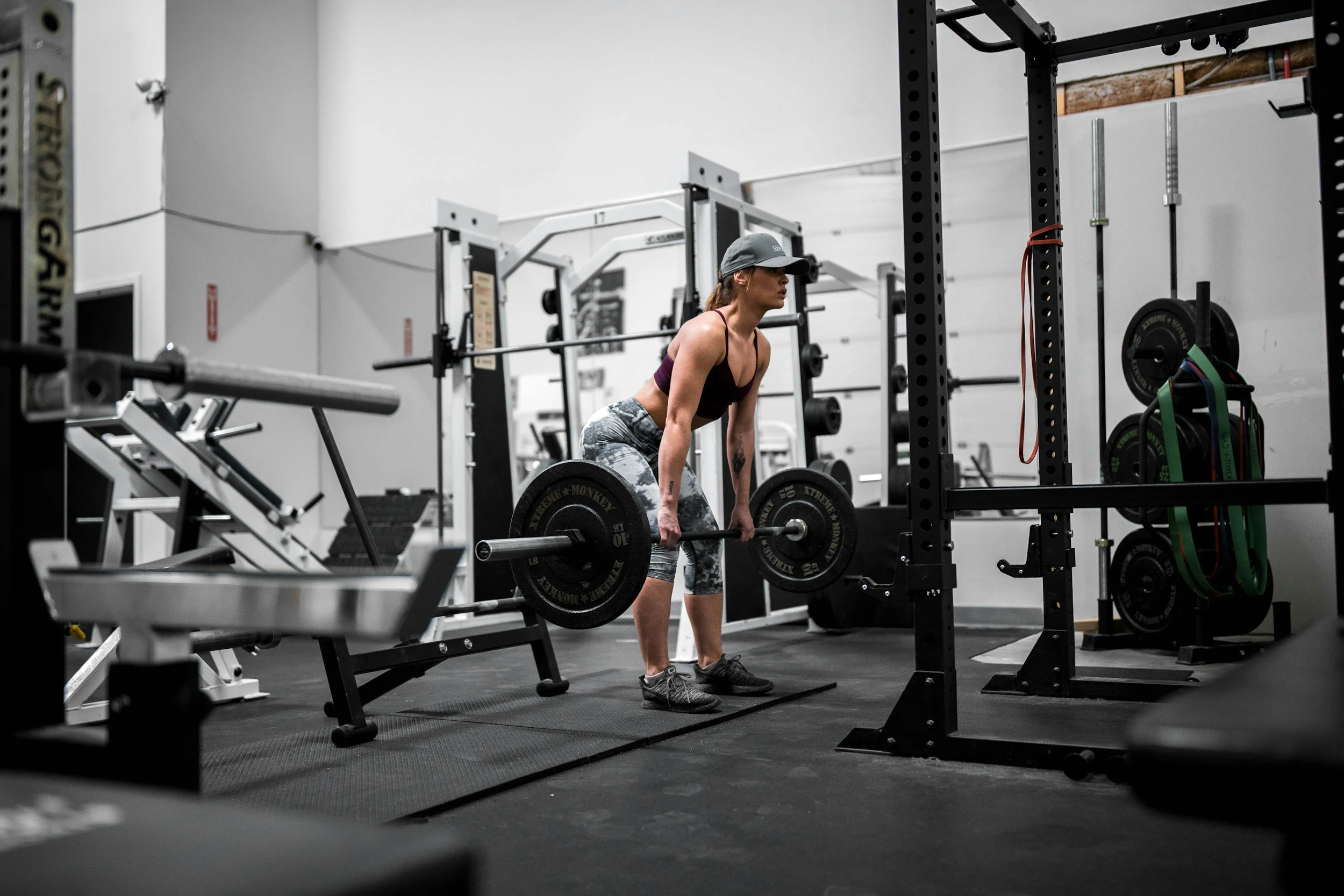
Compound Movements:
Compound Exercises are ones that use multiple different muscle groups in one movement. A good example of this is a deadlift – when you do this exercise you are not only engaging your legs, you are also engaging your core, upper back and shoulders too - meaning that you are targeting multiple muscles in one lift.
Other examples of compound movements include bench press, back squats, RDL’S and press ups. Often these can be bigger movements that use less reps in the sets and more rest time for muscle recovery.
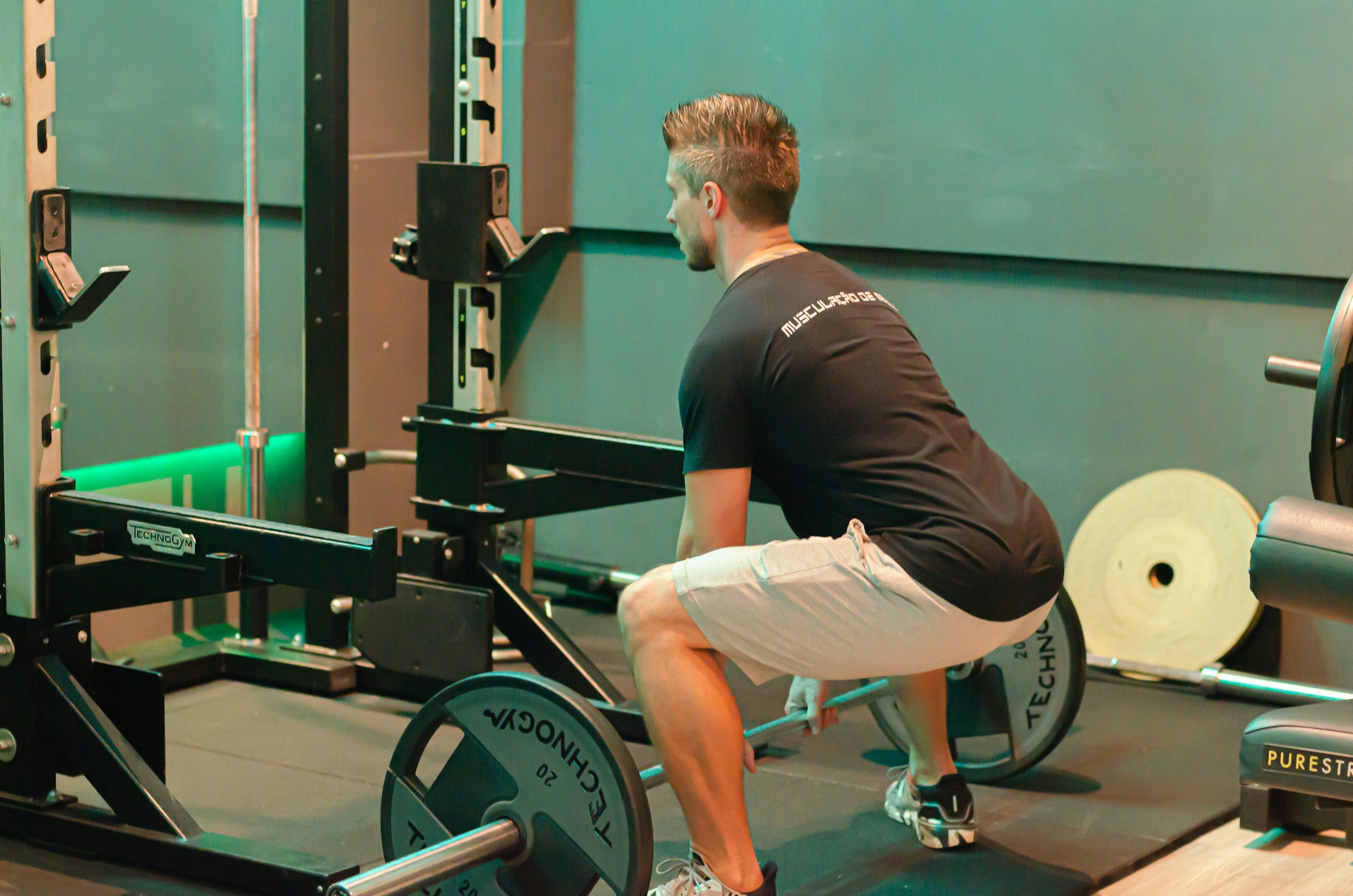
Isolated Movements:
Isolated movements are exactly what they say – movements that target one specific muscle. These tend to be smaller movements for example, a bicep curl – there aren’t really any other muscles getting involved here!
Other examples of isolated movements include Tricep extensions, calf raises and glute kicks – exercises where you are targeting one specific muscle.

It’s a good idea to use a variety of compound and isolated movements in your training to get the muscle fibres firing in different ways – this will enhance your training and help you to get better results.
If you are doing compound lifts, sometimes it can be good just to focus on one or two movement in the session.
For example, if you are training deadlifts, we recommend focusing the whole session on these as they are such a big lift, rather than including several other exercises too. Whereas, of you are wanting to work multiple muscle groups you could do a circuit style session with lots of isolated movements.
Our biggest piece of advice with these movements – especially compound movements – so to allow adequate rest breaks between sets in order to let your muscles fully release and prepare for the next set.
If you found this helpful, you may like to take a look at the following: