Quality or Quantity: Which Matters Most With Diet?
There are many conflicting opinions about whether we should be focusing on the quality or the quantity of our food?
In all honesty, both are very important and there are a number of reasons why – so let’s unpack it all!
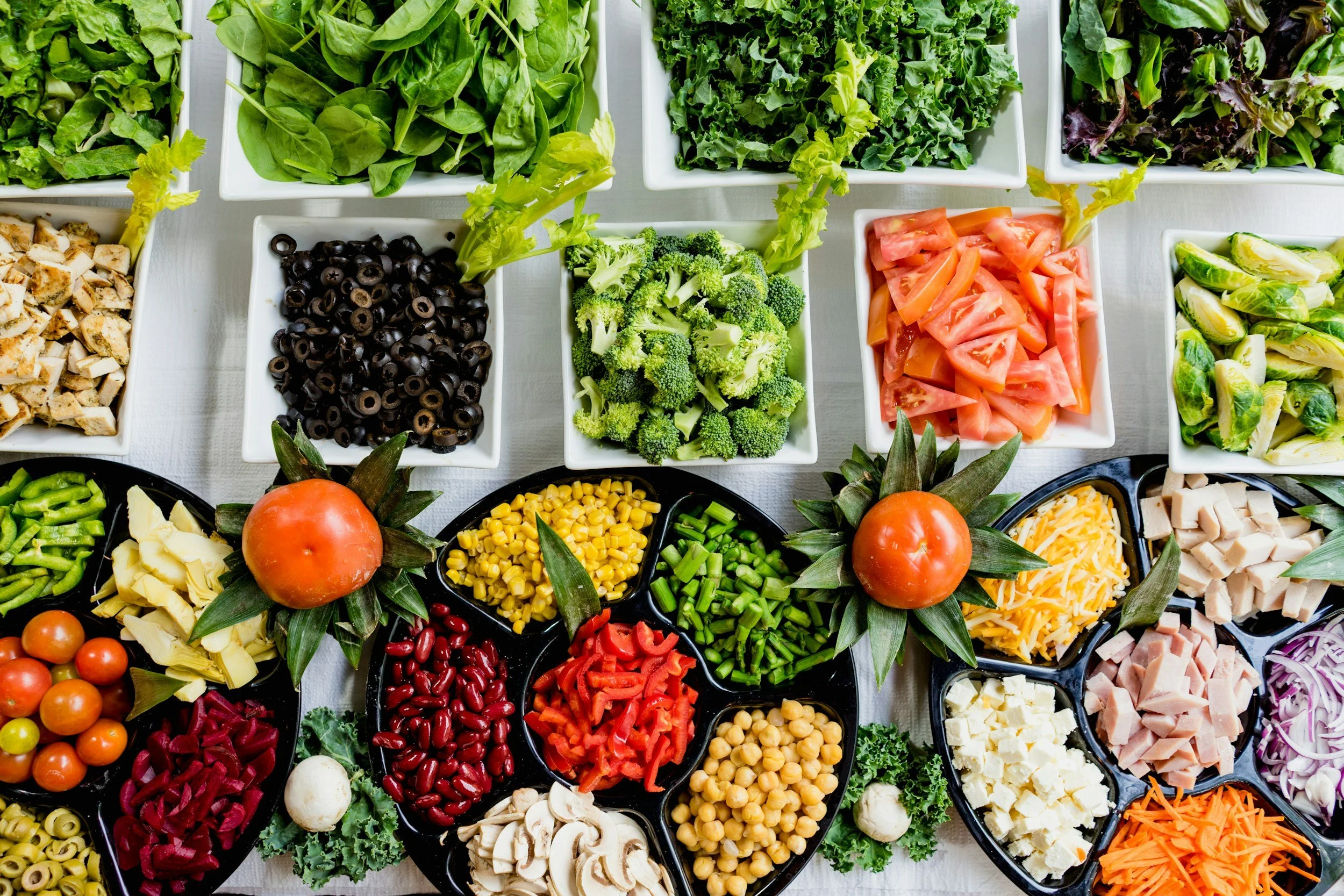
High Quality - High Nutrients
It is true that ingredients of higher quality will provide us with a higher level of vitamins and nutrients, a good example of this is home grown vegetables vs supermarket ones. Supermarket vegetables have usually been grown with fertilisers, plant growth regulators and pesticides whereas home grown veg usually is done without this and so in theory is better for us.
It doesn’t mean that eating fruit and veg from the supermarket will mean you don’t get any vitamins, it just means that you might not get as many as something that is organic or home grown.
Locally sourced - higher in key macros
Another thing to consider is what percentage of your daily macros is provided in some products. Something we like to draw people’s attention to is meat and fish. Frozen or supermarket fish and meat has often travelled far, being frozen or chemically enhanced in the process, which does reduce the quality of the product (as well causes a questionable carbon footprint), whereas locally sourced fish and meat will be of a higher quality and be ethically better – so it is well worth considering buying less at a slightly higher price but better quality and adding more plant-based protein to make up the difference!
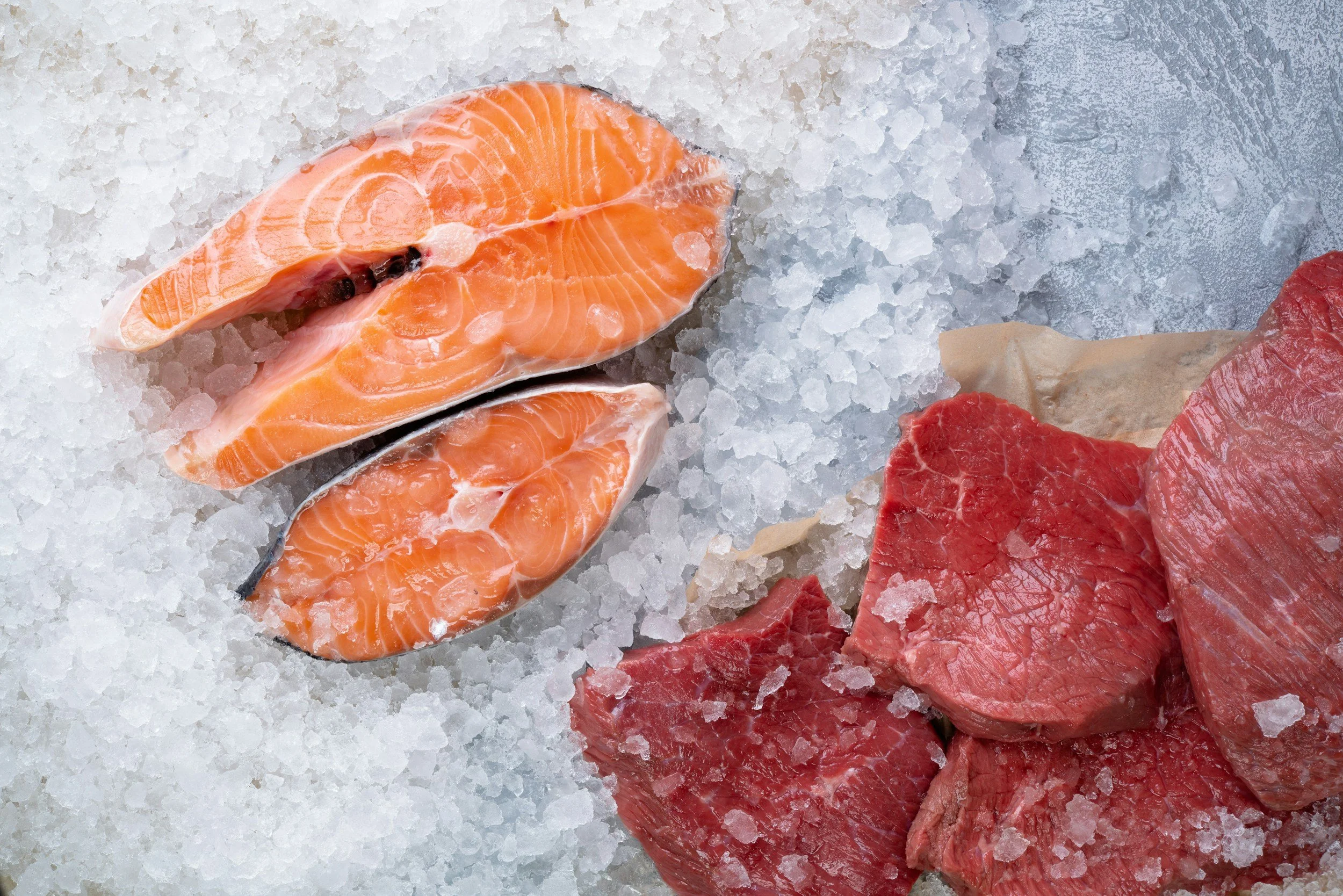
Quantity matters too
Some people assume that quality over quantity is always better – we want to stress that when it comes to training, quantity does matter and it’s essential that we ensure we are consuming an adequate amount without overeating.
This is especially important if you are looking to build muscle or develop strength as your daily calorific intake needs to be higher than normal so that the muscles are able to build and develop. Conversely, if you are trying to lose weight then you need to make sure that you are in a calorie deficit and therefore not eating too much!
Don’t panic if the cost is too high
We are all feeling the impact of the rising cost of living and weekly shops are considerably more now, so we understand if you find it hard to balance higher quality food with an ever-dwindling budget.
We want to stress that having lower cost foods does not mean that your body will be lacking in essential nutrients, or even that it’s “unhealthy” for you. Really, what it means is that we might need to increase the quantity of some ingredients to make up for the lack of nutrients.
The prime example being extra fruit, vegetables and plant-based proteins (such as various beans and nuts).
To summarise, both quantity and quality are important when it comes to fuelling our bodies for training. We strongly recommend trying to pick higher quality ingredients where you can, but don’t force it if you are trying to build muscle and you aren’t able to purchase enough to give you the surplus that you need!
If you found this helpful, you may like to take a look at the following