The Importance of Muscle Activation
It’s all well and good heading into the gym and lifting weights - but are the muscles actually working as they should?
Muscle activation is key to ensuring you get the most of of your workouts, keep reading to find out why…
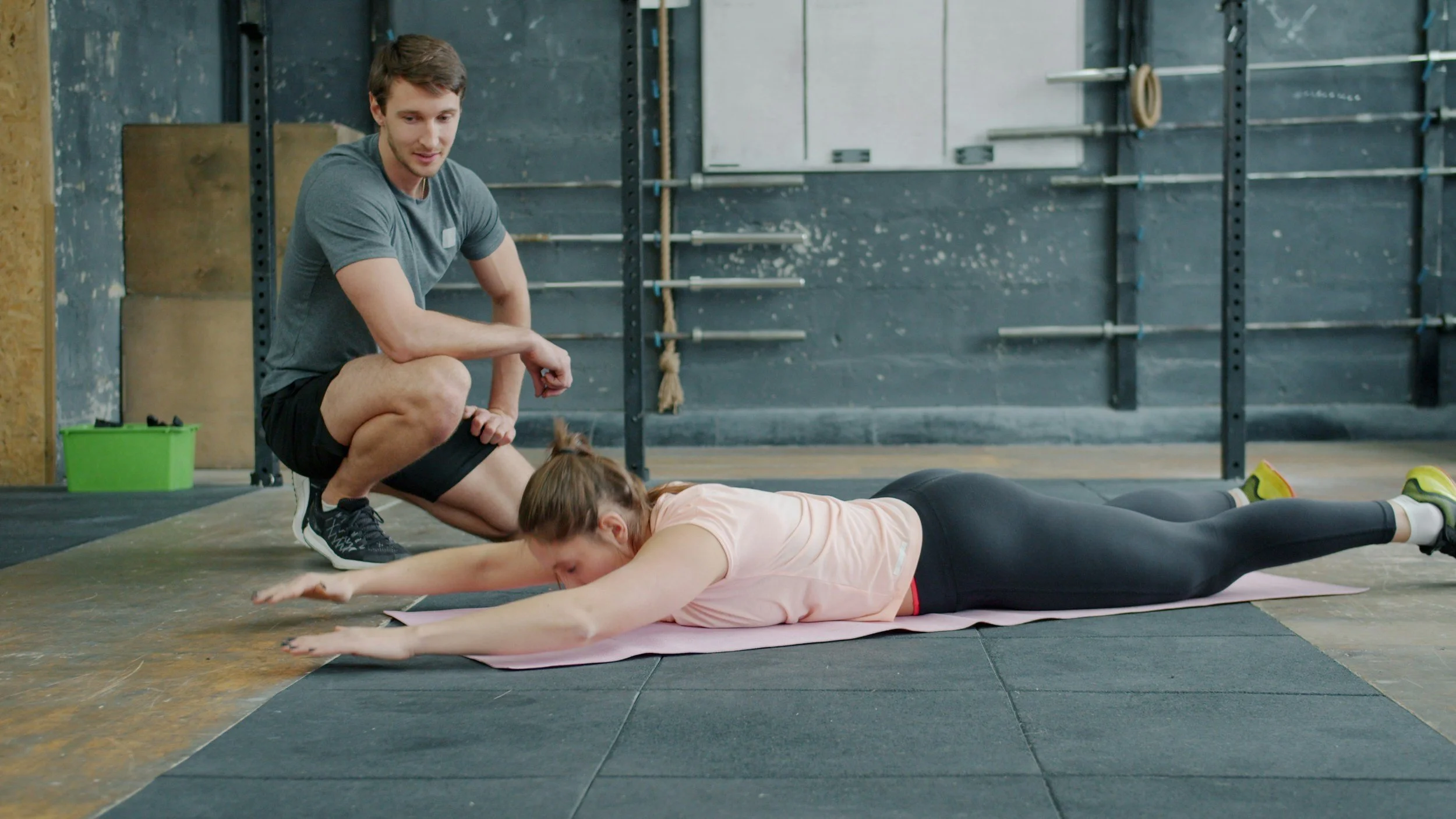
What is muscle activation?
Muscle activation is the process of your nervous system sending a signal to your muscle to start engaging, causing the muscle fibres to start to contract and produce force. Muscle activation can vary in how many fibres are recruited and how frequently they fire. For most exercises, stronger activation allows a muscle to produce more force leading to a more effective exercise.
Why is muscle activation important?
Muscle activation is essential for several reasons:
Preventing injury
When exercising, you need your muscles to be firing properly to avoid straining the body.
A good example of this is glute activation for runners. If your glutes are not properly activated before you go for a run then the muscles in your lower back might start to kick in and pull because the muscles you need are not doing their job effectively. Doing some simple glute activation before your run will ensure they are firing as they should help improve your performance.
More effective performance
Taking time to activate the muscles pre-workout will ususally result in better training.
An example of this is when you train your upper back and shoulders. If you take 5 mins at the start of your workout to activate the upper back with a resistance band, the muscles will be firing more and when you add in more weight, you will likely feel stronger in the movement and see better results as your muscles are activating properly.
Improved Mobility / Range of Motion
This tends to relate more to your joints as activating the joints pre-workout is also a good way to prevent injury or strain. An example of this would be activating your hip flexors before going for a run or a cycle.
These are the joints you are using the most in this form of exercise, so taking time to activate them before movement can help them to stay loose and avoid strain.

Examples of Muscle Activation
Lower Body:
Glute Kicks
Leg Abductions
Lunges
Squats
Leg Swings
Open and Close the Gate
Hip Circles
Upper Body:
Overhead extensions with band
Lateral pull down with band
Pull aparts with band
thoracic twists
arm circles
arm swings
roll downs
To summarise, muscle activation is an essential part of your training and should not be overlooked. A simple 5 mins pre-workout can make a difference to your performance and help prevent injuries!
If you found this helpful, you may like to take a look at the following: